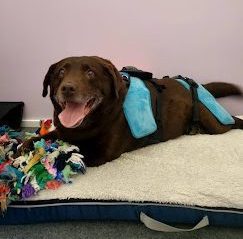
The Whole-Pet Rehabilitation Approach: Mind, Body & Environment
Pet rehabilitation has evolved far beyond treating injuries or managing pain through physical exercises alone. Today’s most effective clinics support healing with a whole pet rehabilitation approach, which addresses your pet’s body, emotional well-being, home environment, and overall lifestyle. This integrative mindset recognizes that pets heal best when their physical, mental, and environmental needs are all in alignment. For many families,this shift towards holistic pet pain management offers new avenues for improving mobility, reducing stress, and enhancing long-term comfort. Here is how a modern pet rehabilitation clinic helps pets live happier, more comfortable lives.
Why Whole-Pet Care Matters in Rehabilitation
Like humans, pets experience pain, stress, and physical limitations in interconnected ways. An injury that causes discomfort can also trigger anxiety. Conditions like arthritis can make pets reluctant to move, leading to muscle loss and weight gain. And a stressful home environment can slow recovery even when medical treatments are working. A whole pet rehabilitation approach ensures that each aspect of a pet’s life supports recovery, rather than adding additional strain. By blending physical recovery therapies with environmental adjustments, rehab teams help pets heal more effectively and maintain progress long after treatment sessions end.
Targeted Therapies for Physical Recovery
At the center of whole-body rehab is a customized physical treatment plan tailored to the pet’s specific condition. Clinics can combine several forms of therapy, such as:
- Therapeutic Exercises – To strengthen muscles, improve balance, and restore mobility
- Hydrotherapy – Gentle, low-impact, movement in water to reduce joint strength
- Manual Therapy and Massage – To relieve tension, improve circulation, and enhance flexibility
- Assistive Devices – Braces, harnesses, and support slings increase comfort and independence
Each therapy is used to improve function without causing fatigue. For pets dealing with post-surgery recovery, neurological issues, or chronic pain, this ensures steady progress.
Emotional Support as Part of Healing
Emotional well-being has a profound impact on a pet’s physical healing. Stress, fear, or overstimulation can slow down recovery and limit progress. That is why whole-pet rehabilitation includes emotional support throughout the care plan. Clinics focus on:
- Handling techniques that reduce anxiety
- Positive reinforcement to build confidence and cooperation
- Stress-reduction strategies for pets showing fear, hypervigilance, or withdrawal
- Bond-building activities between pets and their owners to maintain trust
By supporting a pet’s mental state, rehab teams help them become more engaged and relaxed during therapy, which ultimately leads to better outcomes.
Adapting Spaces for Healing and Comfort
A pet’s environment plays a major role in long-term recovery. Even the best therapy plans can be undermined by slippery floors, inaccessible furniture, or high-stress household dynamics. As part of whole-pet care, veterinary professionals often guide owners in creating an environment that promotes healing, which may include:
- Non-slip floor mats to prevent falls
- Supportive orthopedic bedding to reduce pressure on joints
- Ramps to avoid jumping or falling off furniture
- Adjusted feeding and water stations to ease neck pains
These practical changes help pets stay comfortable and confident in their homes. It also ensures that progress can continue to be made in their daily lives outside of therapy.
If you are looking for a more complete path to healing, consider partnering with a clinic like PrimePet Rehabilitation that integrates physical therapy, emotional support, and environmental adjustments. We provide care that can dramatically improve your pet’s comfort and quality of life. Contact us today for a personalized care plan and a compassionate, whole-pet approach to healing.