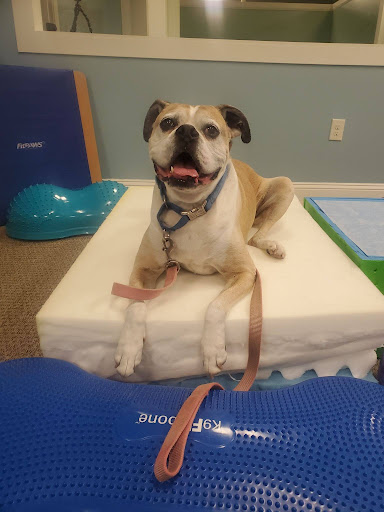
Understanding Post-Operative Rehabilitation for Pets: A Myrtle Beach Owner’s Guide
When your pet undergoes surgery, the procedure itself is only one part of the recovery journey. What happens afterward plays a critical role in how quickly, and how safely, your pet returns to normal activity. Many Myrtle Beach pet owners are surprised to learn that structured post-operative pet rehabilitation can significantly improve healing outcomes, reduce pain, and prevent long-term mobility issues.
Why Post-Operative Rehabilitation Matters
After surgery, pets often experience inflammation, muscle weakness, reduced range of motion, and discomfort. Without proper rehabilitation, these issues can lead to compensatory movement patterns, delayed healing, or even re-injury.
Structured post-operative pet rehabilitation focuses on guiding the body through a safe and progressive recovery process. Instead of allowing pets to remain inactive or return to activity too quickly, rehabilitation introduces controlled movement at the right time.
From a clinical standpoint, early rehabilitation helps:
- Improve circulation and reduce swelling
- Maintain joint flexibility
- Prevent muscle atrophy
- Support proper tissue healing
For example, a dog recovering from orthopedic surgery may instinctively avoid using the affected limb. Without intervention, this can lead to muscle loss and imbalance. A guided rehab program ensures that movement is reintroduced gradually and correctly, supporting long-term mobility. In Myrtle Beach, where many pets are active year-round, proper recovery is especially important to help them safely return to walks, play, and outdoor activity.
What to Expect from a Custom Rehab Plan
Every pet and every surgery is different. That is why effective recovery depends on custom pet rehab plans tailored to the individual animal’s condition, procedure, age, and activity level.
At PrimePet Rehabilitation Therapy, rehabilitation typically begins with a comprehensive evaluation. This includes assessing mobility, pain levels, strength, and surgical limitations. Based on this assessment, a structured plan is developed to guide recovery step by step.
Common components of post-operative pet rehabilitation may include:
- Therapeutic exercises – Gentle, controlled movements designed to rebuild strength and coordination
- Range-of-motion therapy – Techniques to maintain joint flexibility and prevent stiffness
- Manual therapy – Hands-on techniques to reduce pain and improve circulation
- Underwater treadmill therapy – Low-impact exercise that supports movement while reducing stress on joints
- Modalities – Treatments such as laser therapy or electrical stimulation to support healing
These therapies are introduced gradually, ensuring that your pet progresses safely without overexertion. As recovery continues, exercises are adjusted to match improvements in strength and mobility. Pet owners also play an important role. You will receive guidance on at-home exercises and activity restrictions to support your pet between sessions.
Supporting Long-Term Mobility and Preventing Setbacks
One of the biggest benefits of post-operative pet rehabilitation is its focus on long-term outcomes, not just short-term recovery. Surgery addresses the immediate issue, but rehabilitation ensures the body heals in a balanced and functional way.
Without structured rehab, pets may develop compensatory habits, such as favoring one side or altering their gait. Over time, this can place additional strain on other joints and muscles, increasing the risk of future injuries.
A custom pet rehab plan helps prevent these issues by restoring proper movement patterns. Strengthening surrounding muscles, improving balance, and rebuilding coordination all contribute to a more stable and confident recovery.
In addition, rehabilitation helps manage pain throughout the healing process. By reducing discomfort, pets are more likely to engage in movement, which further supports recovery.
For Myrtle Beach pet owners, this means peace of mind knowing their pet is not only healing—but healing correctly.
If your pet is recovering from surgery or preparing for a procedure, now is the time to plan for their rehabilitation. Contact PrimePet Rehabilitation Therapy today to schedule a consultation and give your pet the best possible path to a strong, healthy recovery.