How Therapeutic Laser Therapy Supports Long-Term Wellness in Aging Pets
As pets grow older, changes in mobility and comfort can gradually affect their daily routines. An aging dog may hesitate before climbing stairs, take longer to stand after resting, or lose interest in longer walks. These changes can sometimes be related to arthritis, previous injuries, or other conditions that contribute to discomfort.
For senior pets in Myrtle Beach, South Carolina, rehabilitation can provide additional ways to support mobility and quality of life. One option is therapeutic laser therapy, a noninvasive treatment that may be incorporated into a broader pet pain management program. Understanding how therapeutic laser therapy pets may benefit can help owners discuss appropriate rehabilitation options with their veterinary care team.
How Therapeutic Laser Therapy Works
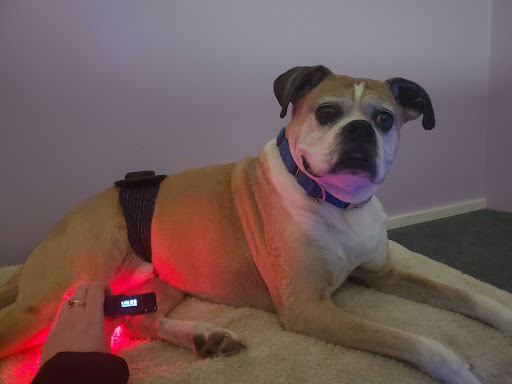
Therapeutic laser therapy, sometimes called photobiomodulation, uses specific wavelengths of light that are applied to targeted areas of the body. The light interacts with tissues and may help influence biological processes associated with circulation, inflammation, tissue healing, and pain.
During a treatment session, a rehabilitation professional applies the laser to the area being treated according to a plan developed for the individual pet. Treatment is noninvasive and generally does not require sedation, making it a convenient option for many senior animals.
Depending on the pet’s condition, laser therapy may be considered for issues involving:
- Osteoarthritis and joint discomfort
- Muscle soreness
- Certain soft-tissue injuries
- Post-operative recovery
- Chronic mobility limitations
Not every senior pet will have the same response or require the same treatment schedule. Factors such as diagnosis, age, overall health, and severity of symptoms can influence whether laser therapy is appropriate.
For this reason, care should be based on a professional evaluation rather than a one-size-fits-all treatment schedule.
Supporting Comfort and Mobility as Pets Age
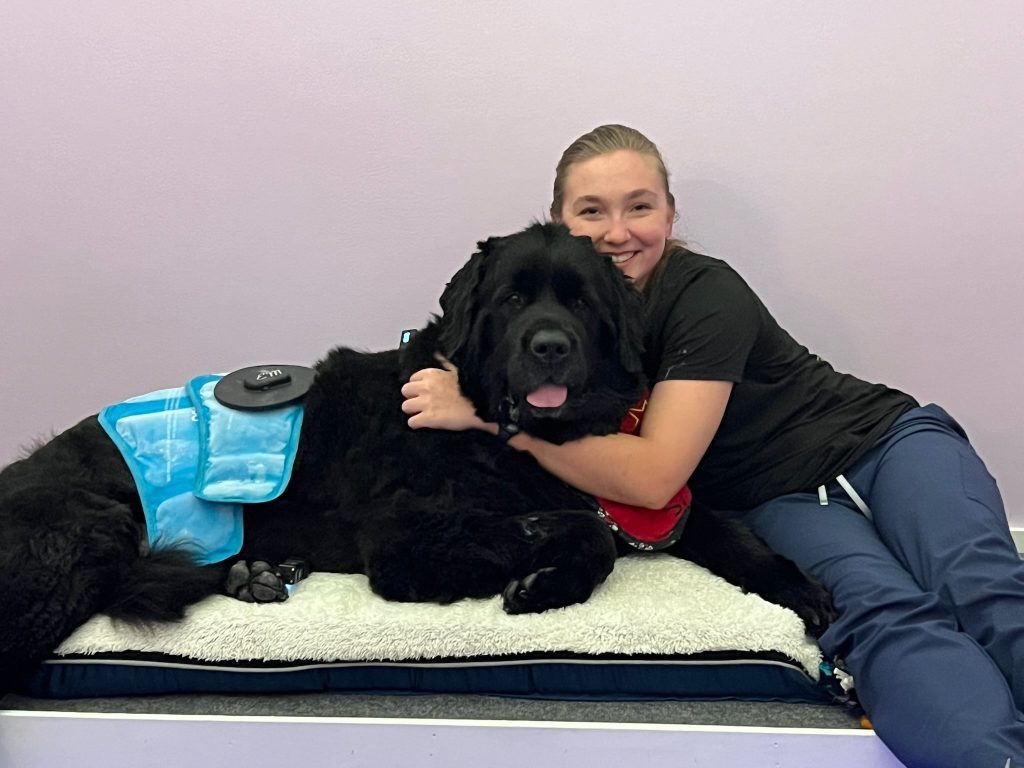
Chronic discomfort can change the way an older pet moves. A dog experiencing joint pain, for example, may shift weight away from an uncomfortable limb or become less willing to exercise. Over time, reduced activity can contribute to muscle weakness and make everyday movement even more challenging.
Therapeutic laser therapy may be incorporated into a comprehensive pet pain management plan to help improve comfort and make movement easier. When discomfort is better managed, some pets may be more willing to participate in rehabilitation exercises and appropriate daily activity.
Owners should watch for subtle signs that an aging pet may be uncomfortable. These can include stiffness after resting, difficulty standing, changes in gait, reluctance to jump, reduced interest in walks, or changes in normal behavior.
Recognizing these changes early provides an opportunity to have the pet evaluated and develop a plan before mobility becomes more limited.
Pain management is especially important for senior pets because maintaining comfortable movement supports much more than physical fitness. Being able to walk, explore, interact with family, and participate in familiar routines can contribute to an older pet’s overall quality of life.
Combining Laser Therapy With a Long-Term Rehabilitation Plan
Therapeutic laser therapy is often most useful as one component of a broader rehabilitation strategy rather than as a standalone solution.
Depending on the pet’s needs, a long-term wellness plan may also include controlled strengthening exercises, balance activities, low-impact movement, aquatic therapy, weight management, and recommendations for modifying activity at home.
Combining these approaches allows rehabilitation professionals to address multiple aspects of mobility. Laser therapy may support comfort, while targeted exercise helps maintain strength and range of motion. Weight management can also reduce unnecessary stress on joints.
Regular reassessments are important because senior pets’ needs can change over time. A rehabilitation plan that works well today may need to be modified as mobility, health, or activity levels change.
This individualized approach to pet pain management helps keep the focus on maintaining comfortable movement and supporting each pet’s abilities for as long as possible.
Aging does not mean pets have to give up the activities they enjoy. With appropriate rehabilitation and pain management, senior pets may be able to maintain greater comfort, mobility, and participation in everyday life. PrimePet Rehabilitation Therapy in Myrtle Beach develops individualized rehabilitation plans for aging pets based on their unique needs. Our team works to help senior animals remain as comfortable and active as possible. If you have noticed changes in your pet’s mobility or comfort, contact us today to learn how a customized rehabilitation plan can support their long-term wellness.