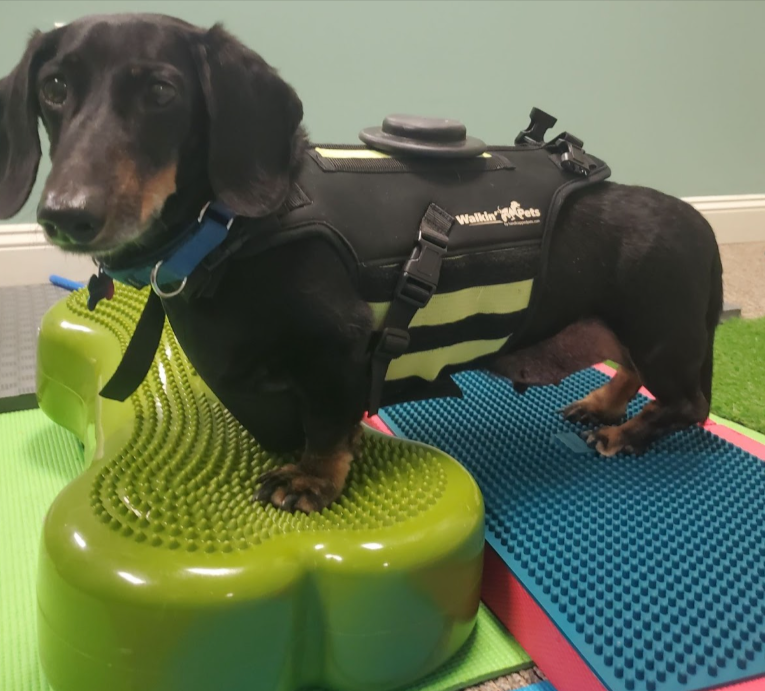
Designing At-Home Exercise Plans for Your Pet’s Recovery
When your pet is recovering from surgery or injury, consistency is key. While professional rehabilitation sessions are crucial, what you do at home plays an equally important role in your pet’s healing journey. Developing a custom pet rehab plan with structured at-home pet therapy exercises can help boost strength, improve flexibility, and support long-term recovery.
Why At-Home Exercises Matter
After an injury or operation, your pet’s muscles, joints, and coordination can weaken. Professional rehabilitation jumpstarts the healing process, but regular pet mobility exercises at home reinforces progress between appointments. These exercises not only help maintain muscle tone but also promote confidence as your pet relearns to move comfortably and naturally. By continuing the care your veterinarian or rehabilitation specialist begins, you help your pet heal faster, reduce stiffness, and prevent further injury.
Step 1: Create a Safe Space for Movement
Before starting any exercises, prepare a calm, slip-free area in your home. Use rugs, yoga mats, or carpeted areas to prevent falls and ensure your pet has room to move comfortably. Remove obstacles and distractions so your pet can focus on the activity at hand.
Step 2: Start with Gentle Range of Motion Movements
In the early stages of recovery, focus on slow, controlled pet mobility exercises that help rebuild joint flexibility. Some examples include:
- Passive Ranger of Motion (PROM) – Gently move your pet’s limbs through its normal range of motion without forcing it.
- Weight Shifting – Encourage your pet to stand while you gently shift their balance side to side to activate muscles.
- Sit-to-Stand Repetitions – Similar to a person doing squats, these strengthen back legs and improve coordination.
Always follow the movement recommendations given by your veterinarian to avoid strain or overexertion.
Step 3: Add Strength and Balance Work
As your pet gains confidence, you can introduce slightly more challenging exercises such as:
- Cavaletti Rails – Set up low obstacles such as broomsticks or PVC pipes to encourage controlled stepping.
- Gentle Leash Walking – Short, slow walks help rebuild endurance without overwhelming your pet.
- Swimming – Hydrotherapy is an excellent low-impact option that builds muscle without stressing joints. Consider a life vest for safety and control.
Each session should be brief but consistent, typically a few minutes a day depending on the recovery stage of your pet.
Step 4: Track Progress and Adjust Regularly
Just like humans, every pet heals differently.Keep a simple recovery journal noting any signs of discomfort, stiffness, or improvement in mobility. Share these updates during your follow-up appointments with your veterinarian so they can fine-tune your pet’s rehab plan.
Know When to Ask For Help
If your pet is showing signs of pain or swelling, stop the exercise and contact your veterinarian. Professional guided supervision may be needed to reset the plan and ensure safe progression.
Helping your pet heal at home is one of the most loving things you can do as a pet parent. With the right guidance and consistent effort, these at-home pet therapy exercises can make a world of difference. At PrimePet Rehabilitation, our specialists create custom pet rehab plans that blend professional care with practical guidance. Contact us today to learn how our tailored exercises can help your furry friend regain their strength, comfort and confidence.