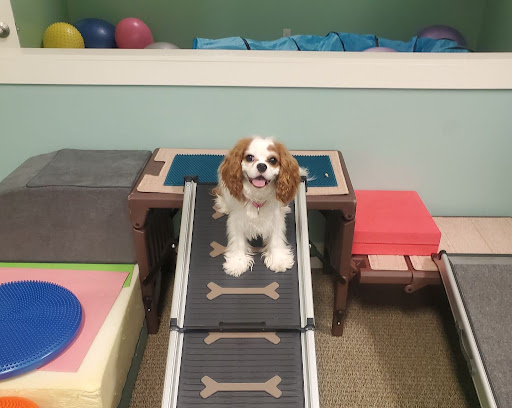
Creating a Whole-Pet Wellness Plan: Exercise, Environment, and Pain Management
Keeping your pet healthy and happy involves more than regular veterinary checkups. Just like people, pets benefit from a balanced approach to wellness that considers their physical activity, living environment, comfort, and overall quality of life. Whether your pet is recovering from an injury, managing a chronic condition, or simply getting older, a personalized wellness plan can help them stay active and comfortable.
For pet owners in Myrtle Beach, SC, a whole pet rehabilitation approach focuses on supporting multiple aspects of an animal’s well-being rather than addressing individual symptoms alone. By combining appropriate exercise, environmental adjustments, and integrative pet pain management, you can help your furry companion maintain mobility and enjoy everyday activities.
Build Strength and Mobility With Appropriate Exercise
Regular physical activity plays an important role in maintaining muscle strength, joint flexibility, and overall mobility. However, the right exercise routine depends on your pet’s age, health, physical abilities, and any existing injuries or medical conditions.
For example, a young, healthy dog may enjoy longer walks and active play sessions, while a senior pet with arthritis may benefit from shorter, controlled activities that minimize joint stress.
A personalized exercise plan may include:
- Controlled leash walks – Help maintain mobility and endurance without excessive physical strain.
- Gentle strengthening exercises – Support muscles that stabilize joints and assist with everyday movement.
- Balance and coordination activities – Help improve body awareness and stability.
- Low-impact aquatic exercise – May provide opportunities for movement with reduced weight-bearing stress.
- Guided rehabilitation exercises – Address specific mobility limitations under professional supervision.
For pets recovering from surgery or managing chronic discomfort, exercise should be introduced gradually and adjusted based on their response.
Myrtle Beach’s warm, humid climate is another important consideration. Scheduling outdoor activity during cooler parts of the day, providing fresh water, and monitoring for signs of overheating can help keep exercise safer.
A professional whole pet rehabilitation approach ensures that physical activity supports your pet’s abilities without placing unnecessary stress on vulnerable joints or tissues.
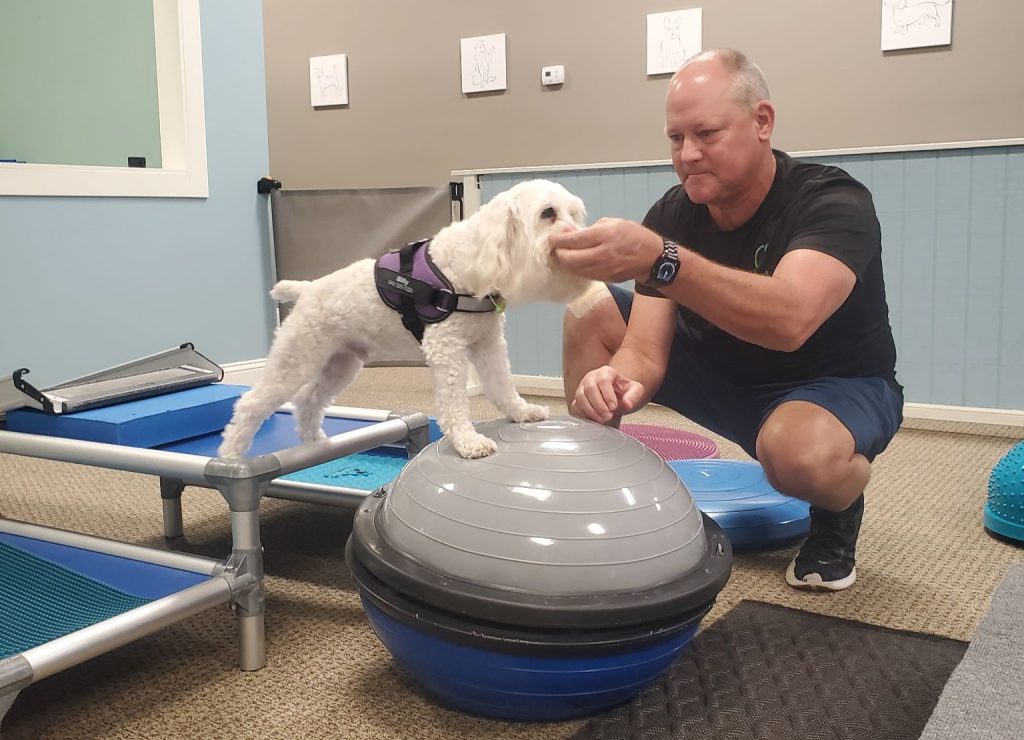
Create a Comfortable and Supportive Home Environment
Your pet’s surroundings can significantly influence their comfort, mobility, and confidence. Slippery floors, steep stairs, elevated furniture, and difficult-to-access resting areas may create challenges for pets experiencing pain or reduced mobility.
Making thoughtful changes around your home can help your pet move more comfortably while reducing the risk of slips and falls.
For example, non-slip rugs or runners can improve traction on hardwood or tile floors. Ramps may make it easier for certain pets to access vehicles or other elevated areas, while supportive bedding can provide a comfortable place to rest.
Food and water bowls should be positioned where your pet can reach them easily. Keeping frequently used items on one level may also reduce unnecessary stair climbing.
Environmental support extends beyond physical modifications. Maintaining predictable routines, providing quiet resting areas, and offering appropriate mental enrichment can contribute to your pet’s overall well-being.
These adjustments are especially valuable for senior pets or animals recovering from orthopedic injuries.
By considering how your pet interacts with their surroundings, you can create a home environment that complements their rehabilitation and supports greater independence.
Incorporate Pain Management Into Long-Term Wellness
Pain can affect nearly every aspect of a pet’s life, from movement and sleep to appetite and behavior. Recognizing discomfort early and developing an appropriate management plan can help prevent unnecessary limitations.
Signs of pain may include stiffness, limping, reluctance to jump, reduced activity, changes in posture, or unusual behavior.
Integrative pet pain management combines appropriate veterinary care with supportive rehabilitation strategies based on the pet’s individual needs.
Depending on the condition, a veterinarian or rehabilitation professional may recommend therapeutic exercises, aquatic therapy, therapeutic laser treatments, weight management, or other interventions.
Some pets may also require medications prescribed by their veterinarian. Rehabilitation should complement necessary medical treatment rather than replace it.
Regular reassessments are essential because a pet’s needs may change over time. Adjusting exercise intensity, modifying home accommodations, and reviewing pain management strategies can help maintain comfort as your pet ages or progresses through recovery.
The goal is to develop a sustainable plan that supports mobility, reduces discomfort, and helps your pet continue participating in activities they enjoy.
PrimePet Rehabilitation Therapy in Myrtle Beach, SC, focuses on a whole pet rehabilitation approach that addresses each animal’s unique physical needs and wellness goals. Through personalized rehabilitation strategies and integrative pet pain management, our team helps pets work toward improved mobility and quality of life. Whether your pet is recovering from an injury, experiencing age-related mobility changes, or managing chronic discomfort, contact us today to learn how a customized wellness plan can help your companion stay comfortable, active, and happy.