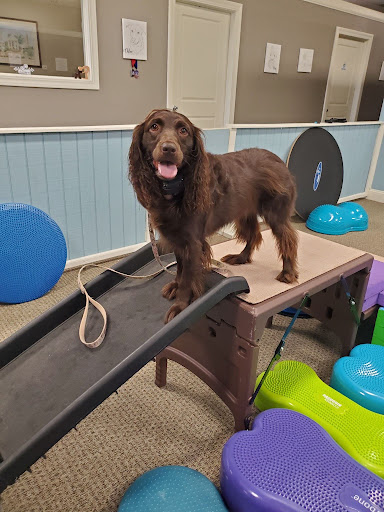
Early Signs of Mobility Decline in Pets and When to Seek Therapy
As pets age, changes in mobility often happen gradually. What may start as a slight hesitation when climbing stairs or a little extra time getting up from a nap can eventually develop into more significant movement challenges. The good news is that recognizing these changes early can make a major difference in your pet’s comfort, independence, and quality of life.
For pet owners in Myrtle Beach, understanding the warning signs of mobility decline and seeking professional help when needed can help prevent minor issues from becoming major limitations. Through early intervention physical therapy pets can often maintain strength, flexibility, and mobility longer than they would otherwise.
Recognizing the Early Signs of Mobility Changes
Many mobility issues develop slowly, making them easy to overlook at first. Because pets cannot tell us when they are uncomfortable, it is important to pay attention to subtle changes in their behavior and movement patterns.
Some common early signs of mobility decline include:
- Difficulty getting up after resting
- Reluctance to jump onto furniture or into vehicles
- Slower movement during walks
- Hesitation when climbing stairs
- Stiffness after exercise or sleeping
- Changes in posture or gait
- Reduced interest in physical activities they once enjoyed
You may also notice your pet becoming less playful or taking more frequent breaks during walks. While these changes are often associated with aging, they can also indicate underlying conditions affecting the joints, muscles, or nervous system.
The earlier these symptoms are identified, the more options are available to support your pet’s mobility. This is where early intervention can play an important role in slowing progression and improving overall function.
Why Early Rehabilitation Matters
Many pet owners assume they should wait until mobility issues become severe before seeking professional help. In reality, early rehabilitation is often the most effective approach.
Just as physical therapy benefits people recovering from injury or managing age-related conditions, rehabilitation can help pets maintain strength and mobility before significant decline occurs.
Professional rehabilitation programs often focus on:
- Improving joint flexibility
- Strengthening supporting muscles
- Enhancing balance and coordination
- Reducing discomfort during movement
- Promoting healthy movement patterns
Targeted pet mobility exercises can help address weaknesses before they lead to compensation patterns that place additional stress on the body. By maintaining muscle strength and joint function, pets are often able to stay active and comfortable for longer periods.
Early therapy may also help reduce the risk of secondary issues that can develop when pets alter the way they move due to discomfort or weakness. For active Myrtle Beach pets, maintaining mobility is especially important for enjoying daily walks, outdoor adventures, and quality time with their families.
When to Seek Professional Therapy
While occasional stiffness may not always indicate a serious problem, persistent changes in movement should be evaluated by a rehabilitation professional.
Consider seeking therapy if your pet:
- Shows ongoing difficulty with routine activities
- Experiences recurring limping or uneven movement
- Appears uncomfortable after exercise
- Has recently undergone surgery
- Has been diagnosed with arthritis or a neurological condition
- Is losing muscle mass or strength
A professional assessment allows therapists to identify the root cause of mobility changes and develop a personalized treatment plan.
At PrimePet Rehabilitation Therapy, treatment plans often include customized pet mobility exercises, strength-building activities, balance training, and other therapies designed to improve movement and comfort. Every plan is tailored to the individual pet’s condition, age, and lifestyle. The goal is not simply to treat symptoms, it is to help pets maintain their independence, confidence, and quality of life.
Mobility decline does not happen overnight, and the earliest signs are often easy to miss. By recognizing subtle changes in movement and pursuing early intervention, pets can receive the support they need before mobility challenges become more severe. If you have noticed changes in your pet’s mobility, do not wait for the problem to worsen. Contact PrimePet Rehabilitation Therapy in Myrtle Beach today to schedule an evaluation and learn how our customized rehabilitation programs can help your pet stay healthy, mobile, and happy.